
Across the United States books are being banned. As a former elementary school librarian, I can tell you when students hear books are being banned students want to read them even more. Books currently being targeted include topics such as sexuality, race, or racism. The main reason for the ban is the topics inside of the books make some adults uncomfortable. Students aren’t storming school board meetings saying they have been harmed, but some of their parents are hypothesizing potential emotional harm may come. Those parents have not considered the emotional harm that is happening to other students who see books about their race or sexual orientation being removed from their school libraries and classrooms.
I love a good banned book. I, too, become curious about what is so bad about the books that are banned. Did you know the popular award-winning book “Where The Wild Things Are” by Maurice Sendak was banned? One of the reasons it was banned was the main character Max talked back to his parent and was sent to bed without dinner as punishment. Even though kids talking back to grown-ups is a real event that occurs, some people wanted that hidden and feared what exposure to this would do to children. This is the same with books being banned in the name of critical race theory and indoctrination. Although real events are occurring that impact some students, instead of letting all students be aware of what is happening in the world, some parents want it hidden.
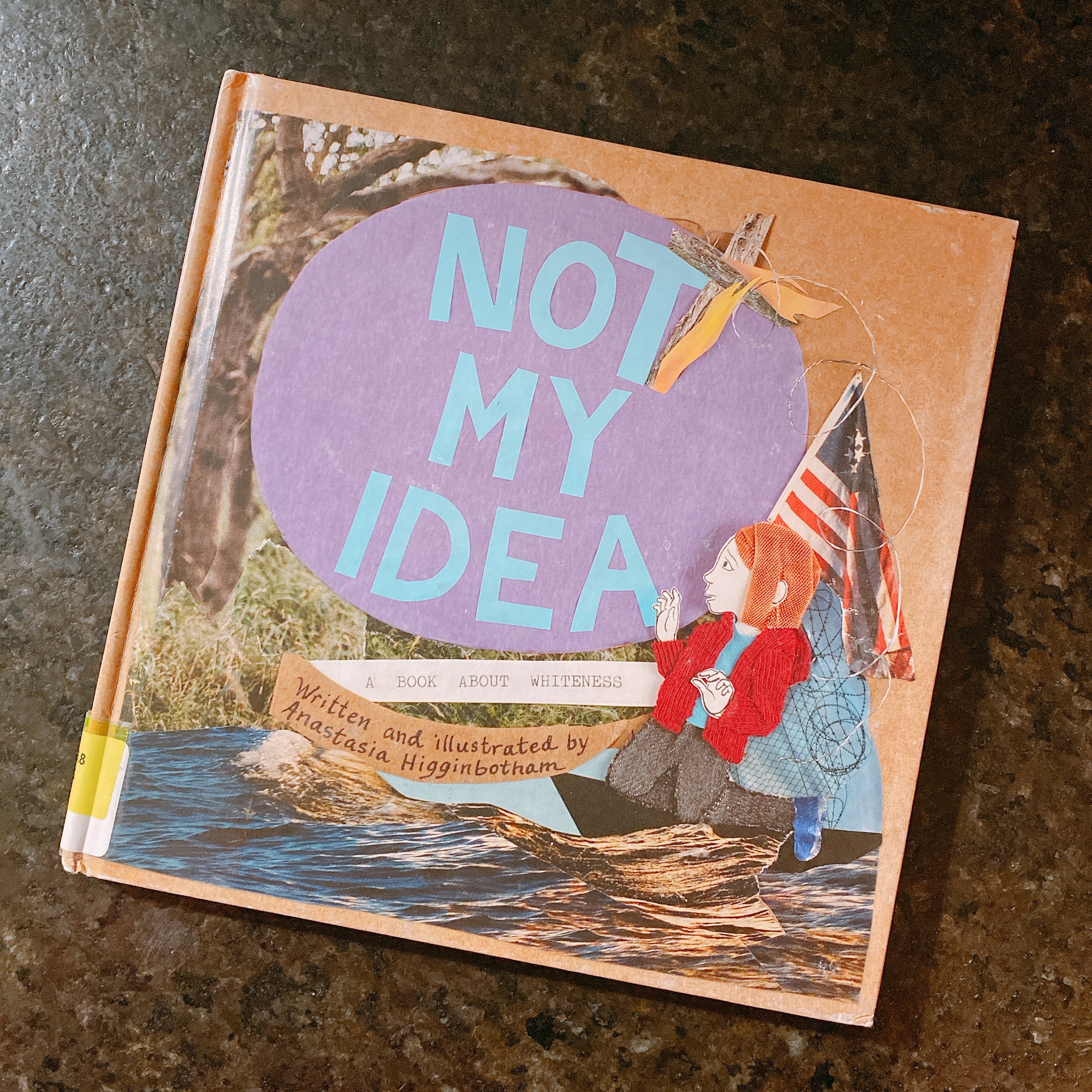
I decided to read one of the books that have been heavily talked about, “Not My Idea: A Book About Whiteness” written and illustrated by Anastasia Higginbotham. I did not have to look for the book. It was on display at my local library. I picked it up off of the display and checked it out. My grandmother who was a church organist, Sunday school teacher, and avid Bible reader, told me what frustrated her most was people pulling out excerpts from the Bible to fit their narrative without providing the full context. Before checking out this book last weekend, all I had seen were pictures of a few pages online. A reader cannot get the full picture without reading the entire book, so regardless of what I say later in this piece or what other people say about this book, read it for yourself. Draw your own conclusions. Also, did you know one of the main advocates against “Where the Wild Things Are,” psychiatrist Bruno Bettelheim, admitted to condemning the book without reading it? He based his opinion on feedback he heard from concerned mothers.
I won’t bury the lead; I liked the book except for one section. As a child, I was part of desegregation busing. I was bused out of my majority Black neighborhood in IPS to Lawrence Township which was less diverse at that time. Many times, I was the only Black student in my classes. Most of my friends growing up were white. They did not understand the racism I had experienced and how they avoided these experiences because they were white. I know that race is a social construct that is made up. I also know that the amount of melanin in people’s skin is out of people’s control. What I cannot control is how some people treat me because of my melanin and how some people have privileges due to their lack of melanin. The main title of the book, “Not My Idea” fits because the people existing on planet Earth right now did not create the current system but the people on the Earth can change the system and how they operate in the system. This can start as young as elementary school.
Across the internet, I have seen it said, “If my Black child is old enough to experience racism, your white child is old enough to learn about racism.” Early in the book, it shows a white girl and a Black boy in a store but the security is eyeing the Black boy. When I was in high school, I went to the mall and we were accused of shoplifting. My all-white friend group had gone to the mall many times without me. The time we were stopped, the only difference was I was there. My friends were so shocked by this occurrence. I wasn’t. That wasn’t the first time nor will it be the last time. I know someone reading this will say, “You can’t prove it was because you are Black.” To that, I say, “You can’t prove that it’s not, but research shows that racial profiling exists.”
The author of this book is not calling white children racist. In the book, Higginbotham states, “Skin color makes a difference in how the world sees you and in how you see the world.” Sharing this with children makes them aware so they are less likely to be in shock when incidents occur and so they can make a positive impact in life as they work with people from different backgrounds.
A part of the book that has been criticized is this statement. “Even people you love may behave in ways that show … they think they are the good ones.” This part of the book is alluding to how white people do not have to commit racist acts but their actions could be out of fear of people of color or they might not want to get involved in the work of ending racism. Good was not the best word choice. The author could have focused more on the difference between the active and passive impact of racially motivated actions especially since the corresponding picture shows a white person locking her car door and clutching her purse based on her surroundings.
The author highlights white allies and how they have made a difference. The book ends with this. “Your history’s not all written yet. What do you want it to say?” The page even has “the end” in the lower right corner. Had the book really ended there maybe some folks could have gotten past the usage of the word good earlier in the story.
There is an activities section that is a bit confusing because it is not clear to me what the actual activities are. This is the part of the book I did not like. It seems more like a collection of random thoughts that didn’t make it into the earlier part of the book. One of the pages that have been heavily shared from this book is from the activities section. The page says, “WHITENESS IS A BAD DEAL. It always was.” Then there is a speaking bubble that says, “Dude, we can see your pointy tail.” This refers to the next page where there appears to be a tail of the devil with a contract of whiteness. Since race is a social construct, the author is attempting to say that the privileges white people have that others do not have are not fair or right. When this is paired with a devil’s tail, this can be interpreted as white children being told they are white devils. That is not productive for white children or any children.
This whole activities section could have been deleted because only the last page of the ten-page activities section includes an actual activity. The other nine pages minus the one page about Juliette Hampton Morgan, a white ally who fought for racial justice, is a collection of random thoughts that I do not believe children would understand nor are really necessary to the point of the book which is to inform children about racism and their power to not carry on the legacy of racism to another generation.
The message is the author is trying to assert is that current people did not create the problem of racism but people alive right now, even elementary students, can stop it and not participate. Why would any parent not want their children to learn about the history of racism so history does not continue in this same way?
Before you jump on the bandwagon of banning books, read them for yourself. Draw your own conclusions. LeVar Burton once said, “If you’re a reader for life, then you’re a learner for life. And if you’re a learner for life, you are the definition of what I consider to be a dangerous individual, which is somebody who doesn’t have to take anybody else’s word for it.” Most time this quote is shared, this is the only part shared. He continues on and says, “You have the wherewithal to put in the work, do the research and inform yourself about whatever it is that you need to be informed about.” Parents who don’t want their children to learn the truth are fearful that their children may turn into informed “dangerous individuals” who will change the world so much that a book called, “Not My Idea; A Book About Whiteness” does not need to exist.

Leave a Reply